As a dedicated SDEC piston supplier, I've witnessed firsthand the intricate relationship between piston noise and engine emissions. This blog aims to delve into the effects of SDEC piston noise on engine emissions, exploring the underlying mechanisms and practical implications.
Understanding SDEC Piston Noise
Piston noise in SDEC engines can stem from various sources. One of the primary causes is the piston slap, which occurs when the piston moves within the cylinder bore. As the piston changes direction during the engine's operation, it can impact the cylinder wall, creating a distinct knocking sound. This noise is not just an annoyance; it can also be an indicator of potential issues within the engine.
Another source of piston noise is the friction between the piston rings and the cylinder wall. Over time, wear and tear on the piston rings can lead to increased noise levels. Additionally, improper piston clearance can also contribute to noise generation. If the clearance is too large, the piston may move more freely within the cylinder, resulting in louder knocking sounds.
The Link between Piston Noise and Engine Emissions
The noise generated by SDEC pistons is closely related to engine emissions. When the piston experiences excessive movement or friction, it can affect the combustion process within the engine. This, in turn, can lead to incomplete combustion, which is a major contributor to increased emissions.
Incomplete combustion occurs when the fuel-air mixture in the cylinder does not burn completely. This can result in the release of unburned hydrocarbons (HC), carbon monoxide (CO), and particulate matter (PM) into the atmosphere. These pollutants are harmful to the environment and human health, contributing to air pollution and respiratory problems.
Moreover, piston noise can also be an indication of poor engine efficiency. When the engine is not operating at its optimal level, it requires more fuel to produce the same amount of power. This increased fuel consumption not only leads to higher emissions but also reduces the overall fuel economy of the vehicle.


Effects of Piston Noise on Specific Emissions
Hydrocarbons (HC)
Piston noise can cause an increase in HC emissions. As mentioned earlier, incomplete combustion due to piston movement or friction can result in unburned fuel being released into the exhaust system. These unburned hydrocarbons are a significant contributor to air pollution and can have a negative impact on air quality.
Carbon Monoxide (CO)
CO is another pollutant that can be affected by piston noise. Incomplete combustion can lead to the production of CO, which is a toxic gas. High levels of CO in the exhaust can pose a serious health risk, especially in enclosed spaces.
Particulate Matter (PM)
Piston noise can also contribute to the formation of PM. When the combustion process is not efficient, it can result in the production of small particles that are released into the atmosphere. These particles can have a detrimental effect on air quality and human health, especially for individuals with respiratory conditions.
Mitigating the Effects of Piston Noise on Engine Emissions
As an SDEC piston supplier, we understand the importance of addressing piston noise to reduce engine emissions. Here are some strategies that can be employed to mitigate the effects of piston noise:
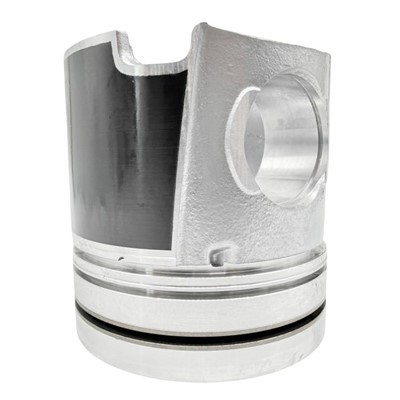
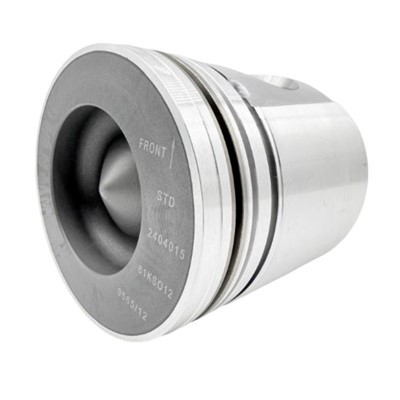
- Proper Piston Design: Ensuring that the pistons are designed with the correct dimensions and clearances can help reduce piston noise and improve engine performance. This includes using high-quality materials and advanced manufacturing techniques to minimize wear and tear.
- Regular Maintenance: Regular maintenance of the engine, including piston inspection and replacement, can help prevent excessive piston noise and ensure optimal engine performance. This includes checking the piston rings, cylinder walls, and other components for signs of wear and damage.
- Use of Lubricants: Using high-quality lubricants can help reduce friction between the piston and the cylinder wall, which can in turn reduce piston noise and improve engine efficiency.
- Advanced Engine Management Systems: Implementing advanced engine management systems can help optimize the combustion process and reduce emissions. These systems can monitor and adjust various engine parameters, such as fuel injection timing and air-fuel ratio, to ensure efficient combustion.
Our SDEC Piston Products
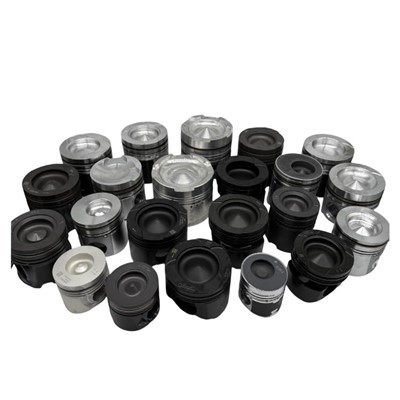
At our company, we offer a wide range of high-quality SDEC pistons designed to meet the specific needs of our customers. Our pistons are manufactured using the latest technology and materials to ensure optimal performance and durability.
We offer pistons for various SDEC engines, including the Piston for SDEC SC8D Engine, Piston for SDEC SC9D Engine, and Piston for SDEC D6114 Engine. These pistons are designed to provide a perfect fit and reliable performance, helping to reduce piston noise and improve engine emissions.
Conclusion
In conclusion, piston noise in SDEC engines can have a significant impact on engine emissions. By understanding the underlying mechanisms and taking appropriate measures to mitigate piston noise, we can reduce emissions and improve the overall environmental performance of SDEC engines.
As an SDEC piston supplier, we are committed to providing high-quality pistons that not only reduce noise but also contribute to lower emissions. If you are interested in learning more about our SDEC piston products or have any questions regarding piston noise and engine emissions, please feel free to contact us for a detailed discussion. We look forward to the opportunity to serve you and help you achieve your engine performance and environmental goals.
References
- Heywood, J. B. (1988). Internal Combustion Engine Fundamentals. McGraw-Hill.
- Crolla, D. A., & Nelson, D. J. (2008). Vehicle Noise and Vibration. SAE International.
- Society of Automotive Engineers (SAE). (Various publications on engine design and emissions).