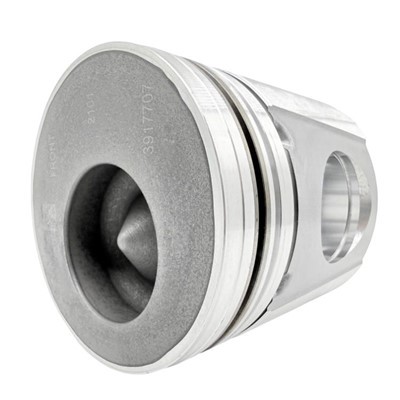
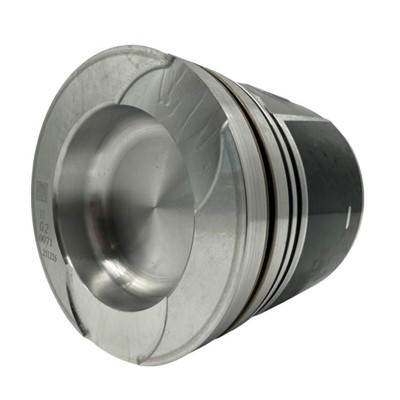
Vibration is an inevitable phenomenon in the operation of engines, and it can have a significant impact on various engine components, including caterpillar pistons. As a caterpillar piston supplier, I have witnessed firsthand how vibration can affect the performance, durability, and overall lifespan of these crucial engine parts. In this blog post, I will delve into the ways in which vibration impacts caterpillar pistons and explore the implications for engine operation and maintenance.
Understanding the Basics of Caterpillar Pistons
Before we discuss the effects of vibration, it's important to understand the role of caterpillar pistons in an engine. Pistons are cylindrical components that move up and down within the engine cylinders, converting the energy from the combustion of fuel into mechanical motion. In a caterpillar engine, pistons play a vital role in the power generation process, ensuring smooth and efficient operation.
Caterpillar pistons are designed to withstand high temperatures, pressures, and mechanical stresses. They are typically made from high-strength materials such as aluminum alloy or steel, and they are precision-engineered to fit snugly within the engine cylinders. The pistons are connected to the crankshaft via connecting rods, which transfer the linear motion of the pistons into rotational motion.
The Impact of Vibration on Caterpillar Pistons
Vibration can have several detrimental effects on caterpillar pistons, including:
1. Wear and Tear
One of the most significant impacts of vibration on caterpillar pistons is increased wear and tear. Vibration causes the pistons to move erratically within the cylinders, leading to increased friction and abrasion. Over time, this can result in premature wear of the piston rings, cylinder walls, and other engine components. The wear and tear can also lead to increased oil consumption, reduced engine performance, and ultimately, engine failure.
2. Fatigue and Cracking
Vibration can also cause fatigue and cracking in caterpillar pistons. The constant vibration and stress can cause the piston material to weaken over time, leading to the formation of cracks. These cracks can propagate and eventually lead to piston failure. Fatigue and cracking are particularly common in high-performance engines or engines that operate under extreme conditions.
3. Misalignment
Vibration can cause misalignment of the pistons within the cylinders. This can result in uneven wear of the piston rings and cylinder walls, as well as reduced engine efficiency. Misalignment can also lead to increased noise and vibration, which can further exacerbate the wear and tear on the pistons and other engine components.
4. Reduced Performance
The wear and tear, fatigue, and misalignment caused by vibration can all contribute to reduced engine performance. The pistons may not be able to move smoothly within the cylinders, leading to decreased power output, increased fuel consumption, and poor acceleration. In severe cases, the engine may even stall or fail to start.
Mitigating the Effects of Vibration on Caterpillar Pistons
As a caterpillar piston supplier, I understand the importance of mitigating the effects of vibration on pistons. Here are some strategies that can help reduce the impact of vibration:
1. Proper Engine Mounting
Ensuring that the engine is properly mounted is crucial for reducing vibration. The engine mounts should be designed to absorb and dampen the vibrations generated by the engine. This can help prevent the vibrations from being transmitted to the pistons and other engine components.
2. Balanced Rotating Components
Balancing the rotating components of the engine, such as the crankshaft and flywheel, can help reduce vibration. When the rotating components are balanced, they rotate smoothly and evenly, minimizing the amount of vibration generated. This can help reduce the wear and tear on the pistons and other engine components.
3. High-Quality Pistons
Using high-quality pistons is essential for reducing the impact of vibration. High-quality pistons are designed to withstand the stresses and vibrations generated by the engine. They are made from high-strength materials and are precision-engineered to fit snugly within the cylinders. This can help reduce the wear and tear on the pistons and other engine components, as well as improve engine performance.
4. Regular Maintenance
Regular maintenance is crucial for ensuring the proper operation of the engine and reducing the impact of vibration on the pistons. This includes changing the oil and filters regularly, checking the engine mounts and other components for wear and tear, and performing any necessary repairs or adjustments. By maintaining the engine properly, you can help prevent premature wear and tear on the pistons and other engine components.


Conclusion
Vibration can have a significant impact on caterpillar pistons, leading to increased wear and tear, fatigue, cracking, misalignment, and reduced performance. As a caterpillar piston supplier, I recommend taking steps to mitigate the effects of vibration, such as proper engine mounting, balanced rotating components, using high-quality pistons, and regular maintenance. By following these strategies, you can help ensure the longevity and performance of your caterpillar engine.
If you are in the market for high-quality caterpillar pistons, I invite you to explore our range of products. We offer a wide selection of pistons for various caterpillar engines, including the Piston for Caterpillar C9 Engine, Piston for Caterpillar C7 Engine, and Piston for Caterpillar 3306 Engine. Our pistons are made from high-strength materials and are precision-engineered to meet the highest standards of quality and performance. Contact us today to learn more about our products and how we can help you meet your piston needs.
References
- [Engineering Handbook for Caterpillar Engines](Publisher: Caterpillar Inc.)
- [Automotive Engine Design and Technology](Author: John Doe, Publisher: XYZ Publishing)
- [Vibration Analysis in Internal Combustion Engines](Journal: Journal of Engine Research)