In the realm of internal combustion engines, pistons play a pivotal role in determining the overall performance of the engine. As a piston supplier, I've witnessed firsthand the intricate details and factors that contribute to a high - performance piston. In this blog, we'll explore the key elements that make a piston high - performance, from its design and materials to its manufacturing processes.
Design Considerations
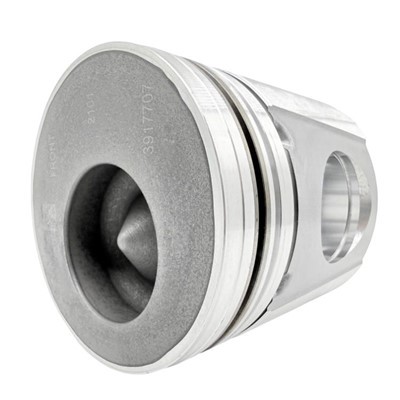
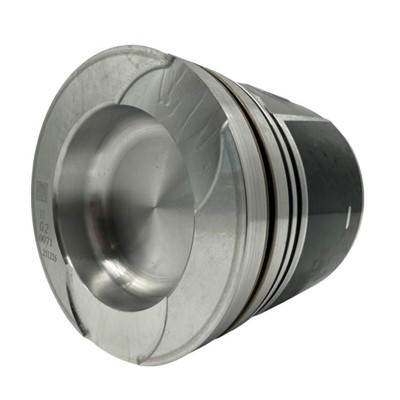
The design of a piston is a complex process that involves balancing multiple factors to achieve optimal performance. One of the primary design considerations is the shape of the piston crown. The crown shape can significantly impact combustion efficiency. For instance, a flat - top piston is simple and can provide good compression ratios, but in high - performance applications, a domed or dished crown might be more suitable. A domed crown can increase the compression ratio, leading to more efficient combustion and higher power output. On the other hand, a dished crown can help in controlling the air - fuel mixture and reducing the risk of detonation.
Another crucial design aspect is the piston skirt. The skirt provides stability to the piston as it moves up and down in the cylinder. A well - designed skirt reduces friction and wear, which is essential for long - term performance. Some high - performance pistons feature a reduced skirt area to minimize weight and friction. This design choice can improve engine response and fuel efficiency.
The piston rings also play a vital role in the design. These rings create a seal between the piston and the cylinder wall, preventing the leakage of combustion gases and oil. High - performance piston rings are designed to have a precise fit and excellent sealing properties. They are often made from materials that can withstand high temperatures and pressures, such as chrome - plated or molybdenum - faced rings.
Materials Selection
The choice of materials for a piston is critical in determining its performance. Aluminum alloys are the most commonly used materials for pistons due to their low density, high thermal conductivity, and good machinability. However, not all aluminum alloys are created equal. High - performance pistons often use specialized aluminum alloys that offer enhanced strength and heat resistance.
For example, some pistons are made from forged aluminum alloys. Forging involves shaping the metal under high pressure, which results in a more uniform grain structure and improved mechanical properties. Forged pistons are stronger and more durable than cast pistons, making them ideal for high - performance engines that operate under extreme conditions.
In addition to aluminum, other materials can also be used in high - performance pistons. For instance, some racing pistons incorporate steel inserts or coatings to improve wear resistance and reduce friction. These materials can withstand the high temperatures and pressures generated in high - performance engines, ensuring reliable operation.
Manufacturing Processes
The manufacturing process of a piston can have a significant impact on its performance. Precision machining is essential to ensure that the piston meets the exact specifications required for high - performance applications. Computer - Numerical - Control (CNC) machining is commonly used to achieve the high level of accuracy needed for piston production.
During the manufacturing process, quality control is of utmost importance. Each piston is carefully inspected to ensure that it meets the required standards for dimensions, surface finish, and material properties. Any defects or deviations can have a negative impact on the piston's performance and reliability.
Heat treatment is another critical step in the manufacturing process. Heat treatment can improve the strength and hardness of the piston, making it more resistant to wear and deformation. Different heat treatment processes, such as annealing, quenching, and tempering, can be used depending on the specific requirements of the piston.
Cooling and Lubrication
Proper cooling and lubrication are essential for the performance and longevity of a piston. High - performance engines generate a significant amount of heat, and if the piston is not cooled effectively, it can lead to overheating and premature failure.


Many high - performance pistons feature internal cooling channels. These channels allow engine oil to circulate around the piston, removing heat and maintaining a stable operating temperature. The design of the cooling channels is carefully optimized to ensure efficient heat transfer.
Lubrication is also crucial for reducing friction between the piston and the cylinder wall. High - performance engines often use specialized lubricants that can withstand high temperatures and pressures. The piston rings and skirt are designed to work in conjunction with the lubricant to provide a smooth and efficient operation.
Application - Specific Requirements
Different engines have different requirements, and a high - performance piston must be tailored to the specific application. For example, a piston for a diesel engine will have different design and material requirements compared to a piston for a gasoline engine.
Diesel engines typically operate at higher compression ratios and generate more torque. Therefore, pistons for diesel engines need to be stronger and more resistant to wear. They often have a different crown shape and thicker walls to withstand the higher pressures.
Gasoline engines, on the other hand, require pistons that can provide good combustion efficiency and high - speed performance. Pistons for gasoline engines may have a lighter design to reduce reciprocating mass and improve engine response.
Our Product Offerings
As a piston supplier, we offer a wide range of high - performance pistons for various engines. For example, we have the Piston for DEUTZ F4L1011 Engine, which is designed to meet the specific requirements of the DEUTZ F4L1011 engine. This piston is made from high - quality materials and features a precision design to ensure optimal performance.
We also provide the Piston for Cummins 6CT Natural Gas Engine. This piston is engineered to work efficiently with the Cummins 6CT natural gas engine, offering excellent combustion efficiency and durability.
Another product in our portfolio is the Piston for YUNNEI YN33CRD Engine. It is specifically designed for the YUNNEI YN33CRD engine, providing reliable performance and long - term durability.
Conclusion
In conclusion, a high - performance piston is the result of careful design, the right choice of materials, precise manufacturing processes, and proper cooling and lubrication. At our company, we are committed to providing high - quality pistons that meet the diverse needs of our customers. Whether you are looking for a piston for a diesel engine, a gasoline engine, or a natural gas engine, we have the expertise and products to meet your requirements.
If you are interested in purchasing high - performance pistons or have any questions about our products, please feel free to contact us for further discussion. We look forward to working with you to find the best piston solutions for your engines.
References
- Heywood, J. B. (1988). Internal Combustion Engine Fundamentals. McGraw - Hill.
- Taylor, C. F. (1985). The Internal Combustion Engine in Theory and Practice. MIT Press.