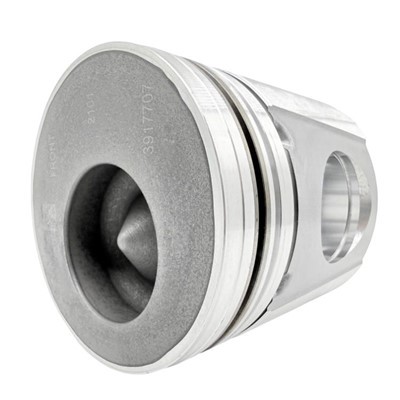
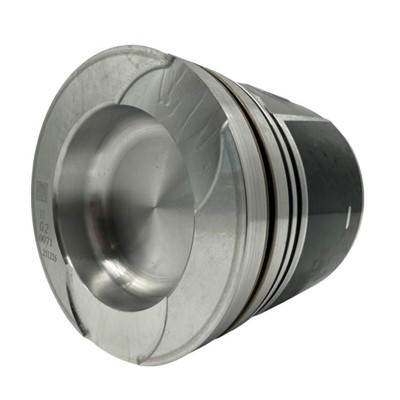
Hey there! As a supplier of Weichai pistons, I often get asked about the surface roughness of these pistons. It's a crucial aspect that affects the performance and longevity of the engine. In this blog, I'll break down what surface roughness is, why it matters for Weichai pistons, and how we ensure the right level of roughness for our products.
What is Surface Roughness?
Surface roughness is basically the texture of a surface. It's all about those tiny bumps and valleys on the surface of an object. When we talk about the surface roughness of a Weichai piston, we're referring to the irregularities on the piston's outer surface. These irregularities can be measured in micrometers (μm).
The roughness of a surface is usually described using parameters like Ra (arithmetical mean deviation of the profile) and Rz (mean height of the profile irregularities). Ra gives us an average value of the height of the surface irregularities, while Rz tells us about the maximum height difference between the peaks and valleys on the surface.
Why Does Surface Roughness Matter for Weichai Pistons?
The surface roughness of a Weichai piston plays a significant role in the engine's performance. Here are a few reasons why it's so important:
1. Lubrication
Proper lubrication is essential for the smooth operation of an engine. The surface roughness of the piston affects how well the lubricating oil can be retained on the piston surface. If the surface is too smooth, the oil might not stick well, leading to increased friction and wear. On the other hand, if the surface is too rough, it can cause excessive oil consumption and also increase friction. So, finding the right balance is crucial.
2. Sealing
The piston needs to form a tight seal with the cylinder wall to prevent the leakage of combustion gases. The surface roughness affects the sealing ability of the piston. A piston with the right surface roughness can create a better seal, improving the engine's efficiency and power output.
3. Wear Resistance
The surface roughness can also impact the wear resistance of the piston. A piston with a well - controlled surface roughness can withstand the high - pressure and high - temperature conditions inside the engine better, reducing wear and tear over time.
How We Control the Surface Roughness of Weichai Pistons
As a supplier, we take several steps to ensure that the surface roughness of our Weichai pistons meets the required standards.
1. Precision Machining
We use advanced machining techniques to create the pistons. Computer - Numerical - Control (CNC) machines are used to precisely shape the piston and control the surface finish. These machines can be programmed to achieve the desired surface roughness by adjusting the cutting parameters such as feed rate, cutting speed, and depth of cut.
2. Quality Control
We have a strict quality control process in place. After the machining process, we use surface roughness measuring instruments to check the surface roughness of each piston. These instruments can accurately measure the Ra and Rz values and ensure that they fall within the specified range.
3. Material Selection
The choice of material also affects the surface roughness. We carefully select high - quality materials for our Weichai pistons. The material's properties, such as hardness and grain structure, can influence how the surface behaves during machining and how it maintains its roughness over time.
Different Types of Weichai Pistons and Their Surface Roughness
We offer a variety of Weichai pistons for different engines. Here are some examples:
- Piston for Weichai WP7 Engine: The WP7 engine is a popular choice in many applications. The pistons for this engine are designed with a specific surface roughness to ensure optimal performance. The surface roughness is carefully calibrated to provide good lubrication, sealing, and wear resistance.
- Piston for Weichai WD615 Engine: The WD615 engine has been around for a long time and is known for its reliability. Our pistons for this engine are engineered to have the right surface roughness to match the engine's requirements. This helps in maintaining the engine's efficiency and durability.
- Piston for Weichai WP13 Natural Gas Engine: Natural gas engines have different operating conditions compared to diesel engines. The pistons for the WP13 natural gas engine are designed with a surface roughness that is suitable for the unique requirements of natural gas combustion. This ensures smooth operation and reduced emissions.
Conclusion
The surface roughness of Weichai pistons is a critical factor that affects the engine's performance, efficiency, and longevity. As a supplier, we are committed to providing high - quality pistons with the right surface roughness. Whether you need pistons for a WP7, WD615, or WP13 natural gas engine, we have the expertise and technology to meet your needs.


If you're in the market for Weichai pistons, don't hesitate to reach out for a purchase negotiation. We're here to provide you with the best products and services.
References
- Smith, J. (2020). "Surface Roughness and Its Impact on Engine Performance". Journal of Automotive Engineering.
- Johnson, A. (2019). "Optimizing Piston Surface Roughness for Better Efficiency". Automotive Technology Review.