As a trusted supplier of Weichai pistons, I've had the privilege of delving deep into the intricate world of engine components. One of the most fascinating aspects of our products is how the Weichai piston interacts with the cylinder wall. This interaction is not only crucial for the engine's performance but also for its longevity and efficiency.
The Basics of Piston - Cylinder Wall Interaction
The piston is a key component in an internal combustion engine. It moves up and down within the cylinder, driven by the force of the expanding gases during the combustion process. The cylinder wall provides a smooth and stable surface for the piston to slide along. This interaction is a delicate balance between friction, lubrication, and thermal management.
Friction and Wear
Friction is an inevitable part of the piston - cylinder wall interaction. As the piston moves, it rubs against the cylinder wall, which can lead to wear over time. To minimize this, we use high - quality materials for our Weichai pistons. For example, our pistons are often made from aluminum alloys that offer a good balance of strength and light weight. These alloys are also treated with special coatings to reduce friction and improve wear resistance.
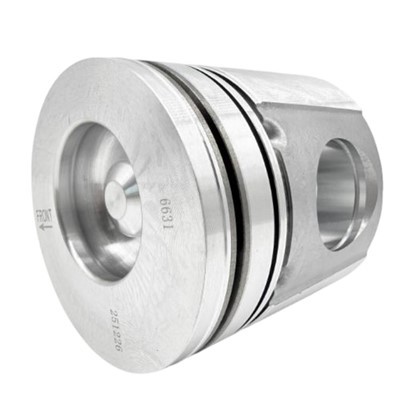
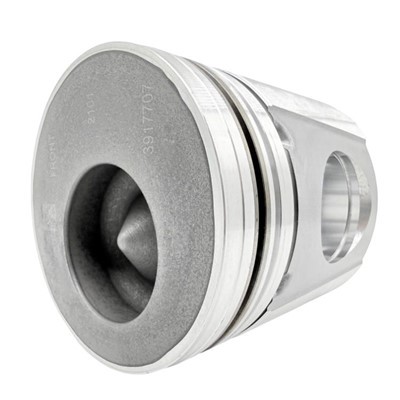
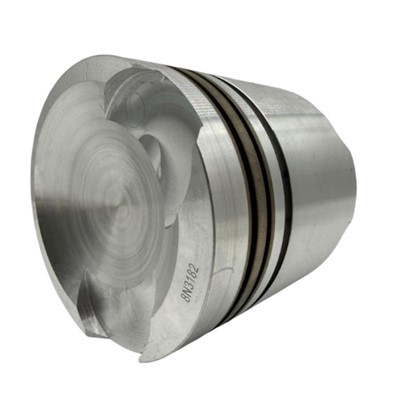
The shape of the piston also plays a role in reducing friction. Our pistons are designed with a slightly oval shape, which allows for better contact with the cylinder wall under different operating conditions. This design helps to distribute the load evenly and reduces the stress on the piston and the cylinder wall.
Lubrication
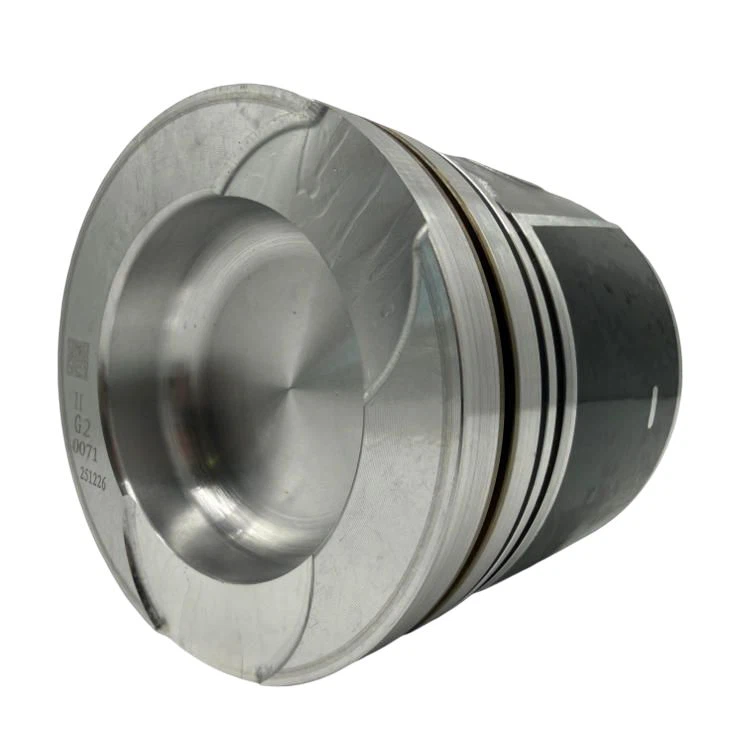
Lubrication is essential for reducing friction and wear between the piston and the cylinder wall. Engine oil is used to create a thin film between the two surfaces, which acts as a buffer and reduces direct contact. Our Weichai pistons are designed to work in harmony with the engine's lubrication system. The piston rings, which are located around the piston, help to scrape the excess oil from the cylinder wall and ensure that a proper lubricating film is maintained.
The quality of the lubricating oil is also crucial. We recommend using high - quality engine oils that are specifically formulated for Weichai engines. These oils have the right viscosity and additives to provide optimal lubrication and protection for the piston and the cylinder wall.
Thermal Management
The combustion process generates a significant amount of heat, which can affect the performance and durability of the piston and the cylinder wall. Our Weichai pistons are designed to handle high temperatures. They are made from materials with good thermal conductivity, which allows the heat to be dissipated quickly.
In addition, the piston design includes features such as cooling channels. These channels allow the engine oil to circulate around the piston, carrying away the heat and keeping the piston at a safe operating temperature. This helps to prevent overheating and reduces the risk of damage to the piston and the cylinder wall.
Specific Weichai Piston Models and Their Interaction with Cylinder Walls
Piston for Weichai WP12 Engine
The Piston for Weichai WP12 Engine is designed to meet the high - performance requirements of this popular engine. This piston is engineered to have a precise fit with the cylinder wall, ensuring efficient combustion and power delivery. The piston rings are carefully calibrated to provide a good seal, preventing the leakage of gases and oil.
The material used in the WP12 piston is selected for its high - strength and heat - resistant properties. This allows the piston to withstand the high pressures and temperatures generated during the combustion process. The interaction between the WP12 piston and the cylinder wall is optimized to reduce friction and wear, resulting in a longer engine life.
Piston for Weichai WP13 Natural Gas Engine
The Piston for Weichai WP13 Natural Gas Engine has unique requirements due to the nature of natural gas combustion. Natural gas engines typically operate at lower temperatures and pressures compared to diesel engines. Our pistons for the WP13 natural gas engine are designed to take advantage of these characteristics.
The piston is designed to have a lower compression ratio, which is suitable for natural gas combustion. The interaction with the cylinder wall is optimized to ensure smooth operation and efficient fuel utilization. The piston rings are also designed to provide a good seal in the natural gas environment, preventing the leakage of gas and ensuring proper engine performance.
Piston for Weichai WP7 Engine
The Piston for Weichai WP7 Engine is designed for a more compact and efficient engine. This piston is smaller in size but still offers high performance. The interaction between the WP7 piston and the cylinder wall is carefully engineered to ensure a tight fit and efficient power transfer.
The material and design of the WP7 piston are optimized for the specific requirements of the WP7 engine. The piston rings are designed to provide a good seal and reduce friction, allowing the engine to operate smoothly and efficiently.
Importance of Proper Piston - Cylinder Wall Interaction
The proper interaction between the Weichai piston and the cylinder wall is crucial for several reasons. Firstly, it affects the engine's performance. A well - designed piston - cylinder wall interaction ensures efficient combustion, which leads to better power output and fuel economy.
Secondly, it impacts the engine's durability. Reducing friction and wear between the piston and the cylinder wall helps to extend the engine's lifespan. This means fewer repairs and lower maintenance costs for the engine owners.
Finally, it contributes to environmental protection. An engine with a proper piston - cylinder wall interaction burns fuel more efficiently, reducing emissions and minimizing the environmental impact.

Contact for Procurement
If you are interested in purchasing our high - quality Weichai pistons, we invite you to contact us for procurement discussions. Our team of experts is ready to assist you in selecting the right piston for your specific engine requirements. We can provide detailed information about our products, including specifications, pricing, and delivery options.
References
- Automotive Engine Design, by David Crolla
- Internal Combustion Engine Fundamentals, by John B. Heywood