Hey there! I'm a supplier of Cummins pistons, and I'm super excited to walk you through the R & D process of these amazing components. It's a journey filled with innovation, precision, and a whole lot of hard work.
Understanding the Basics of Cummins Pistons
Before we dive into the R & D process, let's quickly go over what Cummins pistons are and why they're so important. Pistons are crucial parts of an engine. They move up and down inside the engine cylinders, converting the energy from the combustion of fuel into mechanical motion. Cummins is a well - known brand in the engine industry, and their pistons are designed to meet high - performance standards.
Market Research and Analysis
The R & D process starts with market research. We need to understand what our customers want and what the market demands. We talk to Cummins engine users, mechanics, and fleet managers. We ask them about their experiences with the existing pistons, what problems they've faced, and what improvements they'd like to see.


For example, some customers might complain about piston wear in high - temperature environments. Others could want pistons that are more fuel - efficient. By gathering this information, we can identify the key areas that need improvement.
Concept Development
Once we have a clear understanding of the market needs, it's time to start developing concepts. Our team of engineers and designers sit down and brainstorm ideas. We consider different materials, shapes, and designs that could potentially solve the problems identified in the market research.
For instance, if we find that wear is a major issue, we might explore using new alloys that are more resistant to abrasion. Or, if fuel efficiency is a priority, we could design pistons with a more aerodynamic shape to reduce drag.
Design and Simulation
After coming up with a few concepts, we move on to the design phase. Using advanced computer - aided design (CAD) software, we create detailed 3D models of the pistons. These models allow us to visualize the pistons from every angle and make precise adjustments.
Once the design is complete, we use simulation software to test how the piston will perform under different conditions. We simulate factors like temperature, pressure, and vibration. This helps us identify any potential weaknesses in the design before we start manufacturing physical prototypes.
Prototype Manufacturing
With the design finalized, it's time to make some prototypes. We use state - of - the - art manufacturing techniques to create a small number of pistons based on the design. These prototypes are then tested in real - world conditions.
We install the prototypes in Cummins engines and run them through a series of tests. We measure things like power output, fuel consumption, and piston wear. This hands - on testing gives us valuable data on how the pistons actually perform.
Testing and Validation
The testing phase is crucial. We subject the prototypes to a wide range of tests to ensure they meet the required standards. We test for durability, reliability, and performance.
For example, we might run the engines for long periods at high speeds to see how the pistons hold up. We also test the pistons in different environments, such as extreme heat or cold. If any issues are found during the testing, we go back to the design phase and make the necessary adjustments.
Refinement and Optimization
Based on the test results, we refine and optimize the design. We make changes to improve the performance, durability, and efficiency of the pistons. This might involve changing the material, adjusting the shape, or modifying the manufacturing process.
We keep repeating this cycle of testing, refining, and optimizing until we're satisfied with the performance of the pistons.
Mass Production
Once the design is finalized and the pistons have passed all the tests, we move on to mass production. We set up a production line to manufacture the pistons in large quantities. Quality control is a top priority during this stage. We use strict inspection procedures to ensure that every piston meets the same high standards.
Our Product Range
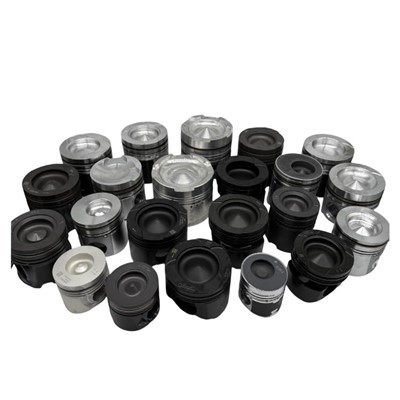
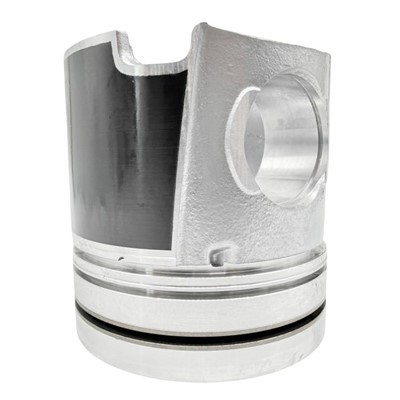
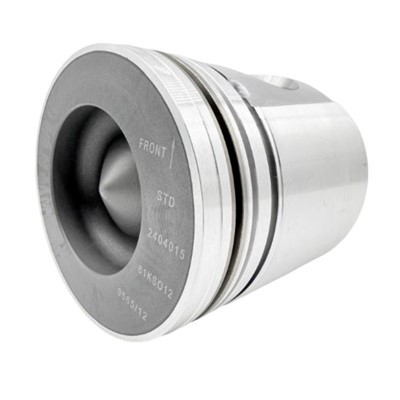
We offer a wide range of pistons for different Cummins engines. For example, we have the Piston for Cummins NTA855 Engine, which is designed to provide excellent performance in NTA855 engines. We also have the Piston for Cummins M11 Engine, which is tailored to meet the specific requirements of M11 engines. And don't forget the Piston for Cummins 6CTAA8.3 Engine, which is engineered for optimal performance in 6CTAA8.3 engines.
Why Choose Our Cummins Pistons
Our pistons are the result of a rigorous R & D process. We use high - quality materials and advanced manufacturing techniques to ensure that our pistons are reliable, durable, and efficient. Whether you're a small - scale engine user or a large fleet operator, our pistons can meet your needs.
If you're interested in purchasing Cummins pistons, we'd love to talk to you. Our team is always ready to answer your questions and help you find the right pistons for your engines. We can also provide you with more information about our R & D process and how it benefits you as a customer.
Conclusion
The R & D process of Cummins pistons is a complex and detailed journey. It involves market research, concept development, design, testing, and optimization. At our company, we're committed to providing the best - quality pistons that meet the needs of our customers. If you're in the market for Cummins pistons, don't hesitate to reach out. We're here to help you make the right choice for your engines.
References
- Cummins Engine Handbook
- Automotive Engineering Journals
- Industry Reports on Piston Technology