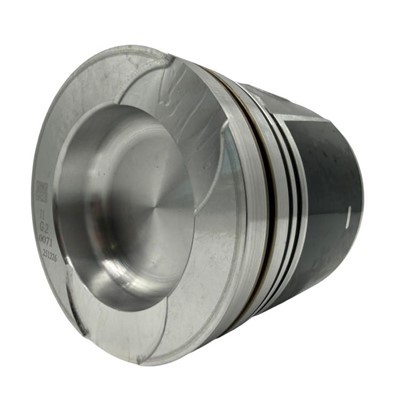
A 230HP engine is a powerful piece of machinery that finds applications in various industries, from marine vessels to industrial equipment. One of the most critical components of such an engine is its lubrication system. As a 230HP engine supplier, I am well - versed in the intricacies of these engines and their lubrication systems. In this blog, we'll delve into what the lubrication system of a 230HP engine is, its functions, components, and the importance of proper maintenance.
Functions of the Lubrication System
The lubrication system of a 230HP engine serves several vital functions. First and foremost, it reduces friction between moving parts. In an engine, there are numerous components that move at high speeds and under high pressures. Pistons, crankshafts, camshafts, and valves all interact with each other. Without proper lubrication, the friction between these parts would generate excessive heat, leading to rapid wear and tear, and ultimately, engine failure.
Secondly, the lubrication system helps to cool the engine. As the lubricant circulates through the engine, it absorbs heat from the hot components. This heat is then carried away from the engine, either through the oil cooler or by transferring it to the engine coolant.
Another important function is to seal the combustion chamber. The lubricant forms a thin film between the piston rings and the cylinder walls. This film helps to prevent the leakage of combustion gases from the combustion chamber into the crankcase, ensuring maximum engine efficiency.
Finally, the lubrication system also helps to clean the engine. It picks up dirt, debris, and metal particles that are generated during the engine's operation. These contaminants are then filtered out by the oil filter, preventing them from causing damage to the engine components.
Components of the Lubrication System
The lubrication system of a 230HP engine consists of several key components.
Oil Pan
The oil pan is the reservoir that holds the engine oil. It is located at the bottom of the engine and is designed to collect the oil that drains from the engine components. The oil pan also has a drain plug, which allows for easy oil changes.
Oil Pump
The oil pump is responsible for circulating the oil throughout the engine. It draws oil from the oil pan and pressurizes it before sending it to the various engine components. There are two main types of oil pumps: gear pumps and rotor pumps. Gear pumps are the most common type, consisting of two meshing gears that transfer the oil from the inlet to the outlet.
Oil Filter
The oil filter is an essential component of the lubrication system. It removes contaminants such as dirt, metal particles, and sludge from the oil. A high - quality oil filter can significantly extend the life of the engine by preventing these contaminants from causing damage to the engine components. There are different types of oil filters, including full - flow filters and bypass filters. Full - flow filters filter all the oil that passes through the lubrication system, while bypass filters filter a small portion of the oil continuously.
Oil Cooler
In a 230HP engine, the oil can get very hot due to the high - power operation. The oil cooler helps to reduce the temperature of the oil. It works by transferring heat from the oil to the surrounding air or coolant. There are two main types of oil coolers: air - cooled and water - cooled. Air - cooled oil coolers use fins to increase the surface area for heat transfer, while water - cooled oil coolers use engine coolant to absorb the heat from the oil.


Oil Pressure Sensor
The oil pressure sensor monitors the oil pressure in the lubrication system. It sends a signal to the engine control unit (ECU) or the oil pressure gauge on the dashboard. If the oil pressure drops below a certain level, it can indicate a problem with the lubrication system, such as a clogged oil filter or a failing oil pump.
Importance of Proper Maintenance
Proper maintenance of the lubrication system is crucial for the longevity and performance of a 230HP engine. Regular oil changes are one of the most important maintenance tasks. Over time, the oil in the engine breaks down and loses its lubricating properties. It also becomes contaminated with dirt and debris. By changing the oil at the recommended intervals, you can ensure that the engine is always lubricated with clean, high - quality oil.
In addition to oil changes, it is also important to replace the oil filter regularly. A clogged oil filter can restrict the flow of oil, leading to low oil pressure and potential engine damage.
Monitoring the oil level and oil pressure is also essential. Low oil levels can cause the engine to overheat and lead to premature wear of the engine components. If the oil pressure is too low or too high, it can indicate a problem with the lubrication system that needs to be addressed immediately.
Our Products and Services
As a 230HP engine supplier, we understand the importance of a well - functioning lubrication system. We offer a wide range of high - quality engine parts and components to ensure the optimal performance of your engine. For example, we provide pistons for various Cummins engines, such as the Piston for Cummins 6CT8.3 Engine, Piston for Cummins 6CT Natural Gas Engine, and Piston for Cummins 5.9L ISB Engine.
Our team of experts is always ready to provide technical support and advice on engine maintenance and lubrication system care. Whether you are a professional mechanic or an engine owner, we can help you keep your 230HP engine running smoothly.
If you are interested in our products or services, or if you have any questions about the lubrication system of a 230HP engine, please feel free to contact us for a procurement discussion. We are committed to providing the best solutions for your engine needs.
References
- Automotive Engineering Handbook, SAE International
- Engine Lubrication and Tribology, Elsevier