Hey there! As a supplier of Cummins pistons, I've been in the game for quite a while, and I know how important it is to measure these components accurately. Whether you're a mechanic, an engine builder, or just someone curious about Cummins engines, this blog post is for you. I'll walk you through the process of measuring a Cummins piston step by step.
Why Measuring a Cummins Piston is Crucial
Before we dive into the measuring process, let's talk about why it's so important. A piston is a vital part of an engine, and its proper measurement ensures optimal engine performance. If a piston is too large or too small, it can lead to all sorts of problems, like poor compression, increased oil consumption, and even engine failure. So, getting the measurements right is key to keeping your Cummins engine running smoothly.
Tools You'll Need
To measure a Cummins piston, you'll need a few essential tools:
- Micrometer: This is used to measure the diameter of the piston at various points. Make sure you have a high - quality micrometer that can provide accurate readings.
- Depth Gauge: You'll use this to measure the depth of the piston's ring grooves.
- Feeler Gauge: This helps you check the clearance between the piston rings and the ring grooves.
Step 1: Clean the Piston
Before you start measuring, it's crucial to clean the piston thoroughly. Any dirt, debris, or oil on the piston can affect the accuracy of your measurements. Use a degreaser and a clean cloth to wipe down the piston, making sure to get into all the nooks and crannies, especially the ring grooves.
Step 2: Measure the Piston Diameter
The diameter of the piston is one of the most important measurements. Here's how you do it:
- Select the Measuring Points: You'll typically measure the piston diameter at three different points: near the top, in the middle, and near the bottom. The top measurement is usually taken just below the ring grooves.
- Take the Measurements: Use your micrometer to measure the diameter at each of these points. Make sure to take the measurement at a right angle to the piston pin axis. Record each measurement carefully.
- Check for Taper and Out - of - Round: Compare the measurements. If there's a significant difference between the top and bottom measurements, the piston may have a taper. If the measurement at one angle is different from the measurement at a 90 - degree angle, the piston may be out - of - round.
Step 3: Measure the Ring Groove Depth
The depth of the piston's ring grooves is also important. Here's how to measure it:
- Prepare the Depth Gauge: Set your depth gauge to zero on a flat surface.
- Measure the Groove Depth: Place the depth gauge in the ring groove and take the measurement. Do this for each ring groove on the piston. Make sure to measure at multiple points around the groove to ensure accuracy.
Step 4: Check the Ring Groove Clearance
The clearance between the piston rings and the ring grooves is another critical measurement. Here's how to check it:
- Insert the Piston Ring: Place a piston ring in the ring groove.
- Use the Feeler Gauge: Insert a feeler gauge between the ring and the groove. The correct clearance depends on the specific Cummins engine model, so refer to the engine's service manual for the recommended clearance values.
Different Cummins Engine Pistons
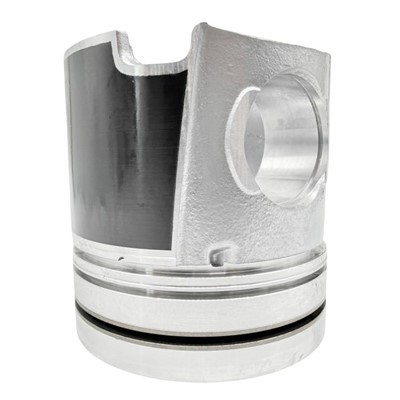
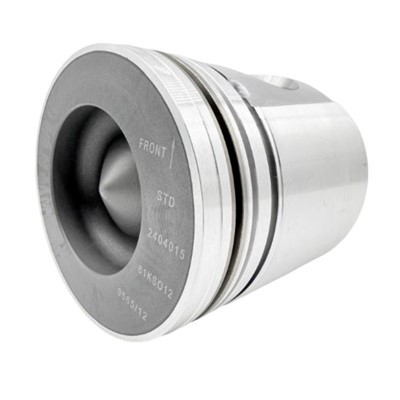
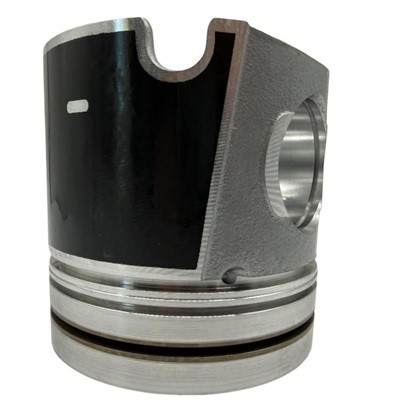
We offer pistons for various Cummins engines. For example, if you're looking for a Piston for Cummins 6CTA8.3 Engine, we've got you covered. This piston is designed to meet the high - performance requirements of the 6CTA8.3 engine.
Similarly, our Piston for Cummins 6CT8.3 Engine is engineered to provide excellent durability and performance. And if you have a Cummins M11 Engine, our Piston for Cummins M11 Engine is a great choice.


Common Mistakes to Avoid
When measuring a Cummins piston, there are a few common mistakes you should avoid:
- Not Cleaning the Piston Properly: As I mentioned earlier, dirt and debris can affect the accuracy of your measurements.
- Using the Wrong Measuring Tools: Make sure you're using the right tools for the job. A low - quality micrometer or depth gauge can give inaccurate readings.
- Not Measuring at the Right Points: Always measure at the recommended points on the piston to get accurate results.
Conclusion
Measuring a Cummins piston is a crucial process that requires attention to detail. By following the steps I've outlined in this blog post, you can ensure that your piston measurements are accurate. And if you're in the market for high - quality Cummins pistons, we're here to help. Whether you need a piston for a 6CTA8.3, 6CT8.3, or M11 engine, we've got the right product for you.
If you're interested in purchasing Cummins pistons or have any questions about the measurement process, don't hesitate to reach out. We're happy to assist you with your procurement needs and ensure that you get the best - fitting pistons for your Cummins engine.
References
- Cummins Engine Service Manuals
- Automotive Measurement and Diagnostic Tools Guides